
Aluminum Building Materials · B2B Website · Application-Led Discovery
Reorganizing an aluminum catalogue around how project buyers evaluate.
ZHENDING Aluminum presents insulated aluminum panel systems, modular sunroom solutions and related building products. For project buyers, the decision depends on where the system will be used, how it will be installed and what the project requires — not only the product category name.
The Gap
How a company organizes products is not always how a buyer chooses them.
Construction buyers often start with application, installation scenario, climate, building type or project requirement. A catalogue that stops at Product A / Product B / Product C leaves too much of that translation work to the buyer.
Factory View → Buyer View
The factory thinks in products. The buyer thinks in projects and applications.
The website has to bridge those two views instead of asking the buyer to translate the catalogue alone.
How the business organizes what it makes.
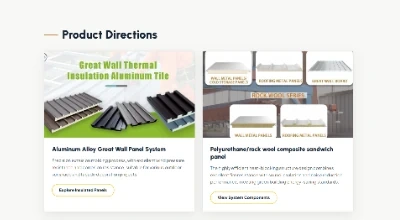
Product directions: insulated aluminum panels, modular sunroom systems and related building products.
How the buyer evaluates what fits the project.
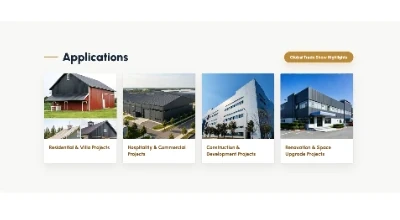
Application context: project type, installation scenario and where the system will actually be used.
What Changed
The website gives project buyers more than one way to understand the offer.
Buyer Research
Research first. Project discussion when the requirements become clearer.
The current site includes project/product knowledge content alongside product and application sections, then gives buyers quotation and direct-contact entry points when they are ready to discuss requirements.
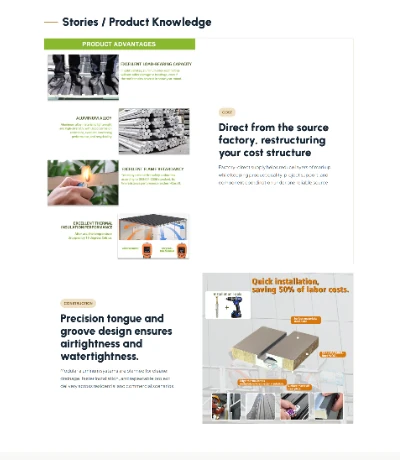
The Bottom Line
For project-led building materials, the website should reflect how buyers evaluate the project — not only how the factory names the products.
ZHENDING shows how product directions, application context, knowledge content and enquiry paths can work together inside one international B2B website.
PROJECT-LED BUYING?
Do buyers choose your products by application, project type or installation requirement?
If your website still mirrors the internal product catalogue while buyers think in projects and scenarios, the gap is structural — not cosmetic.
Best fit for manufacturers whose buyers begin with application, installation or project requirements rather than product names alone.